 Recruiting
Chronic obstructive pulmonary disease (COPD) · Respiratory
Study in People With Moderate to Severe Chronic Obstructive Pulmonary Disease
Windsor, Ontario

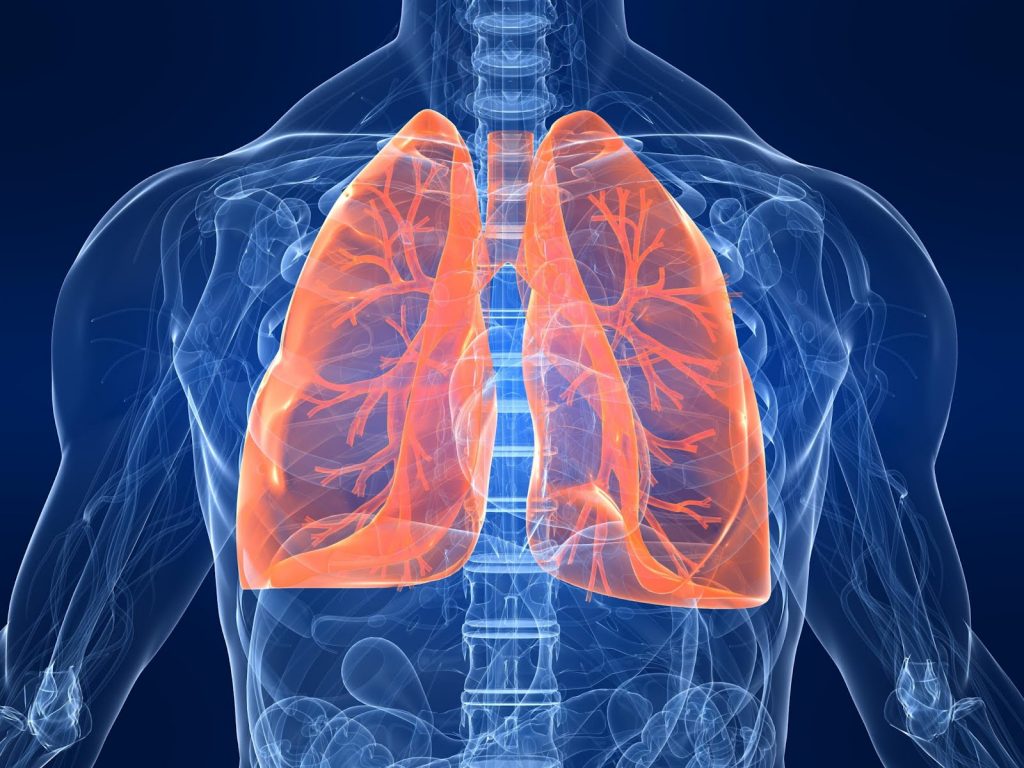
Chronic obstructive pulmonary disease, or COPD, is a long-term lung condition in which the airways are narrowed and the small air sacs deep in the lungs are damaged. Air gets trapped, so breathing out becomes hard work and everyday tasks take more effort than they used to. The changes build slowly over years and do not fully reverse, but there is a lot of care in Canada aimed at symptoms, flare-ups and keeping you active.
COPD is an umbrella term. It covers what used to be called chronic bronchitis, meaning long-term inflammation of the airways with a cough that brings up phlegm, and emphysema, meaning damage to the walls of the small air sacs where oxygen crosses into the blood. Most people living with COPD have some of both, in different proportions, which is part of why two people with the same diagnosis can describe very different symptoms.
COPD is often assumed to be a condition only of people who smoked, and one they brought on themselves. Neither is accurate. The Public Health Agency of Canada names smoking as the primary cause, and stopping smoking is central to care, but COPD also occurs in people who have never smoked. Long-term exposure to workplace dusts and fumes, indoor smoke from wood heating, outdoor air pollution and wildfire smoke, poor lung growth in childhood, and the inherited condition alpha-1 antitrypsin deficiency all contribute. Blame has no place in it, and it is not a reason to delay being assessed.
Bronchitis means inflammation of the bronchial tubes, the branching airways that carry air down into the lungs. Anyone can get a short bout after a cold or flu, and it clears. Chronic bronchitis is different. The lining of the airways stays inflamed and thickened, and the glands in it make more mucus than normal. The airways narrow, mucus collects, and the result is a cough that brings up phlegm on most days, goes on for months, and comes back year after year. Clearing the throat first thing in the morning is often the earliest sign, and it is easy to put down to smoking or to a cold that never quite went.
Emphysema affects the far end of the lung. Air travels down to millions of tiny sacs called alveoli, which inflate as you breathe in and deflate as you breathe out, and it is through their thin walls that oxygen passes into the blood. In emphysema those walls are destroyed. Neighbouring sacs merge into larger, floppier spaces, so there is less surface for oxygen to cross, and the springiness that normally pushes air back out is lost. Air stays trapped, the lungs become over-inflated, and breathing out takes conscious effort. That is why people often describe not being able to get a full breath in: there is no room for it, because the last breath has not fully left.
Symptoms vary between people and across the seasons. Many people find winter and respiratory virus season harder, and many notice that breathlessness creeps up so gradually that they have already given up activities before they mention it.

COPD is progressive, meaning the changes in the lungs build up over years. How quickly that happens differs a great deal from person to person, and no one can be handed a timetable. What follows is the usual shape of it, not a schedule.
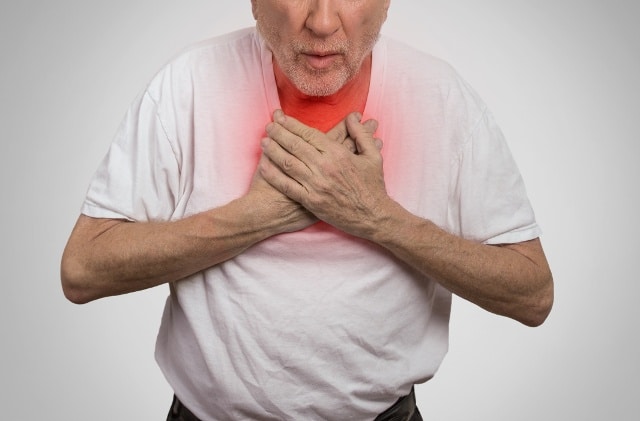
The first sign is often a cough that keeps returning, with mucus cleared in the morning, and it is commonly put down to a smoker’s cough or a run of winter colds. Breathlessness at this stage shows up only with effort, on hills or stairs, and is easy to attribute to age or being out of shape. Many people adjust without noticing: taking the lift, parking closer, splitting the shopping into two trips.
Breathlessness starts to appear during ordinary activity, walking on the flat, carrying groceries, getting dressed. Wheezing and chest tightness become more common, the cough is persistent, and chest infections arrive more often and take longer to clear. This is the stage at which most people in Canada are diagnosed, because it is the stage at which symptoms become hard to work around.
Breathlessness can be present at rest or with very small efforts, and washing or dressing may need rests in between. Eating can be tiring, and weight and muscle loss are common, partly because breathing itself uses more energy. Swelling in the ankles and feet, morning headaches and lasting fatigue can appear when the strain reaches the heart or when carbon dioxide is not being cleared well overnight. Flare-ups tend to come more often and take longer to recover from. Care at this stage adds oxygen assessment, support at home, and conversations about what matters most to the person, alongside the same inhaled treatments and rehabilitation.
Some things cannot be changed:
Others can often be worked on, usually with support from a health care team:
Several of these are set by the job someone holds or the housing available to them rather than by personal choice, and a care team can help you work out which ones are realistically within reach. Alpha-1 antitrypsin deficiency is worth naming separately: it is an inherited shortage of a protein that protects lung tissue from damage, and it can cause emphysema at a younger age than usual, in people who never smoked. A blood test finds it, which is why that test is part of a Canadian COPD assessment.
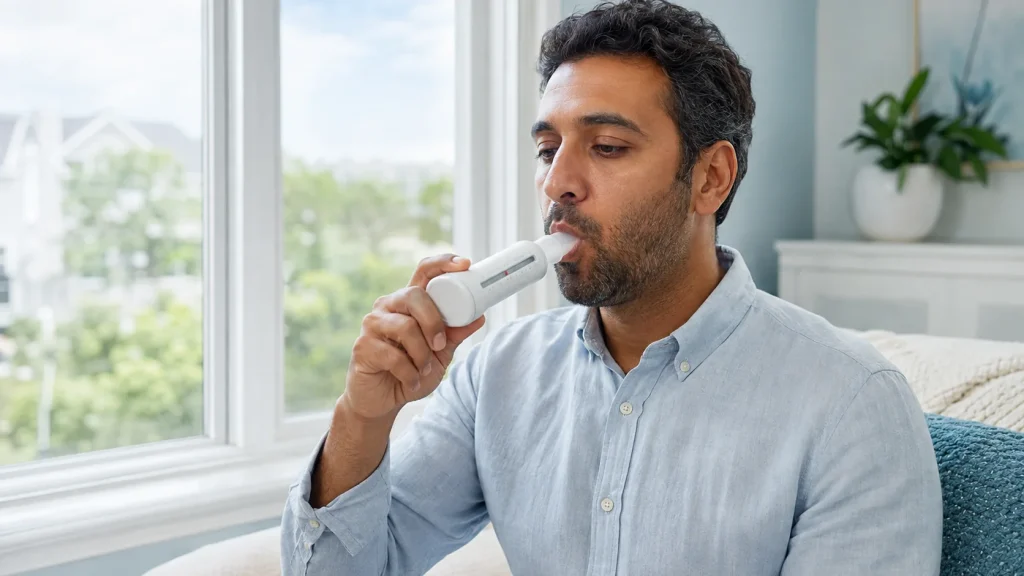
COPD is confirmed with spirometry, a breathing test in which you blow out as hard and as long as you can into a machine. The test measures how much air you can move and how quickly, and it is repeated after an inhaled bronchodilator medicine. Airflow limitation that does not fully reverse after that medicine is what separates COPD from asthma. A chest X-ray or CT scan, a measurement of oxygen in your blood, and a blood test for alpha-1 antitrypsin deficiency may be added to look for other causes and for conditions that often occur alongside COPD.
Nothing available today undoes lung damage that has already happened, so COPD care in Canada is aimed at breathing more comfortably, having fewer and milder flare-ups, and holding on to what you can do. Depending on your breathing tests, your symptoms and your flare-up history, a health care team may discuss:
The mix that helps one person is rarely the mix that helps the next. These are decisions for you and your own clinician, and this page is not a recommendation about any of them.
The Canadian Lung Association describes pulmonary rehabilitation as a way to learn to manage COPD and stay active. It is a supervised programme, run through hospitals and community clinics, that combines exercise training with breathing training and education covering the condition itself, inhaler technique, nutrition and flare-up planning. It usually runs as a group over a set number of weeks, with a plan for carrying on afterwards. Referral normally comes from a family doctor, respirologist or respiratory educator, and waits vary by region. Virtual and home based versions have been developed in some provinces and are also being studied in trials.
Programmes teach breathing techniques used to control breathlessness and shift mucus. Pursed lip breathing, breathing in through the nose and out slowly through pursed lips, is used to slow the breath and let trapped air out. Diaphragmatic or abdominal breathing puts the work into the diaphragm rather than the upper chest. Controlled coughing and huffing move mucus up the airways with less effort and less exhaustion than repeated hard coughing. These are taught and checked in person by a physiotherapist, respiratory therapist or respiratory educator, rather than picked up from written instructions, because technique is what makes the difference.
A flare-up, or acute exacerbation, is a stretch of days when COPD symptoms are clearly worse than your usual day to day. It is not simply a bad afternoon. Breathlessness increases, the cough gets worse, and the amount of phlegm rises or its colour changes to yellow, green or tan, sometimes with blood in it. Breathing can become fast and shallow, wheezing more pronounced, and people often feel unusually tired.
Most flare-ups are set off by a respiratory infection: a cold, influenza, COVID-19, RSV, or a bacterial chest infection. Others follow air pollution, wildfire smoke, cold air or strong fumes, and some arrive with no clear trigger at all.
Flare-ups matter beyond the days they take. Recovery can run to weeks, some people do not get back to where they were before, and COPD and bronchitis together are among the most common reasons for a hospital stay in Canada. That is why written COPD action plans, agreed with a care team in advance, are part of Canadian care. An action plan sets out what you watch for, what you do at the first sign, who you contact, and when the answer is urgent assessment rather than waiting.
Signs that a flare-up needs to be seen urgently rather than managed at home:
Breathlessness makes ordinary tasks cost more, and a good part of COPD care is about spending that energy where it counts. Occupational therapists and respiratory educators work with people on pacing: sitting to wash or to prepare food, keeping frequently used things within reach, spreading tasks across the day instead of stacking them into the morning, and breaking a job into parts with rests built in. None of this is giving in to the condition. It is what makes it possible to keep doing things.
Infections hit harder and last longer with COPD, so much of routine care is aimed at avoiding them. Vaccination is part of that. The Canadian Immunization Guide states that people with chronic lung disorders should receive influenza vaccine every year in addition to their other routine immunization, and it sets out pneumococcal and RSV vaccination for people with chronic lung disease as well, with eligibility and timing handled provincially. Hand washing, and keeping some distance from people who are unwell during respiratory virus season, come up for the same reason.
The emotional side is real and often goes unmentioned. Breathlessness is frightening, and fear makes breathing faster and shallower, which makes breathlessness worse, so panic and COPD feed each other. Anxiety and low mood come up often for people living with COPD, and so does quietly withdrawing from activities because of how they might feel. Care teams ask about this, and it is handled as part of COPD care in Canada rather than as something separate.
Current treatment does not reverse the damage, and clinicians still cannot reliably predict who will lose lung function quickly or who will have repeated flare-ups. There is also real debate about how to find COPD earlier, because many people in Canada are diagnosed only after a substantial amount of lung function has already been lost. Studies now underway include biologic therapies aimed at eosinophilic airway inflammation, new inhaled combinations, lung volume reduction and valve procedures, remote monitoring and virtual pulmonary rehabilitation, and work on finding cases through spirometry in primary care.
Those questions are settled by studies, not by opinion. Taking part is voluntary, the study is explained to you in full during informed consent, and you can stop at any time without affecting the care you get from your own doctor. Joining a study does not mean giving up your current inhalers or rehabilitation, and no one can say in advance whether a study will help you personally.
This page is written in plain language for people considering clinical research. It is general health information, not medical advice, and it does not replace a conversation with your own doctor or nurse practitioner.
Yes. Smoking is the most common cause in Canada, but COPD also occurs in people who have never smoked. Long-term exposure to workplace dusts and fumes, indoor smoke from wood heating, air pollution, poor lung growth in childhood and the inherited condition alpha-1 antitrypsin deficiency can all contribute.
Stopping smoking is a central part of COPD care at every stage, and it is one of the main things clinicians discuss after diagnosis. Provincial and territorial quitlines, pharmacists and family practices all offer support, including counselling, nicotine replacement products and prescription options. Your care team can help you choose an approach.
Most COPD trials begin with spirometry and a review of your symptoms, flare-up history and current inhalers to see whether you fit the study. Visits typically involve breathing tests, symptom questionnaires and sometimes blood work or imaging. Taking part is voluntary, the study is explained fully during informed consent, and you can stop at any time without affecting your regular care.
RecruitingChronic obstructive pulmonary disease (COPD) · Respiratory
Windsor, Ontario
 Recruiting
Chronic obstructive pulmonary disease (COPD) · Respiratory
Windsor, Ontario
 Recruiting
Chronic obstructive pulmonary disease (COPD) · Respiratory
Windsor, Ontario
 Recruiting
Chronic obstructive pulmonary disease (COPD) · Respiratory
Windsor, Ontario
 Recruiting
Asthma · Respiratory
Windsor, Ontario
 Recruiting