 Recruiting
Asthma · Respiratory
Study for Adult Participants With Uncontrolled Moderate to Severe Asthma
Windsor, Ontario

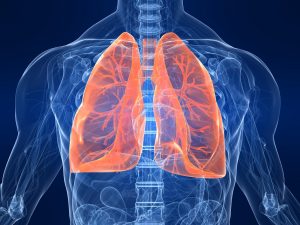
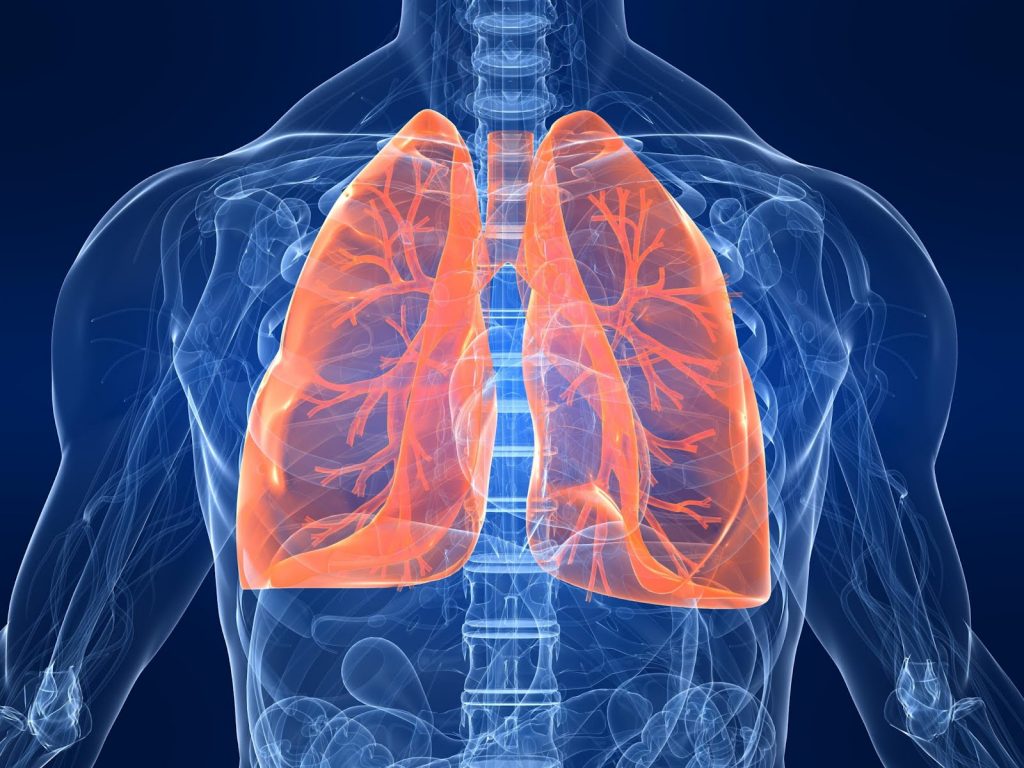
Asthma is a long-term condition of the airways, the tubes that carry air in and out of your lungs. In asthma those tubes can swell, tighten and fill with mucus, so moving air takes more effort. Symptoms come and go, and they often flare after contact with a trigger such as a cold virus, cold air, exercise, smoke or an allergen.
Asthma is often described as a childhood condition that people grow out of. It does often start in childhood, but it can begin at any age, including after 50. Adult-onset asthma is sometimes linked to workplace exposures, a chest infection, or allergies that develop later in life, and it is identified with the same breathing tests used in younger people.
Asthma is also not the same as COPD, although both narrow the airways and cause breathlessness. Asthma tends to vary from day to day and often improves a good deal after an inhaled bronchodilator, while the airflow limitation in COPD does not fully reverse. Some people have features of both. Because asthma varies, one normal breathing test does not always settle the question, which is why a clinician may repeat testing or add a challenge test.
Symptoms differ from person to person and change over time. Many people have long stretches with very little trouble, then a flare set off by a virus, cold air, exercise, smoke or an allergen.

Some things cannot be changed:
Others can often be worked on, usually with support from a health care team:
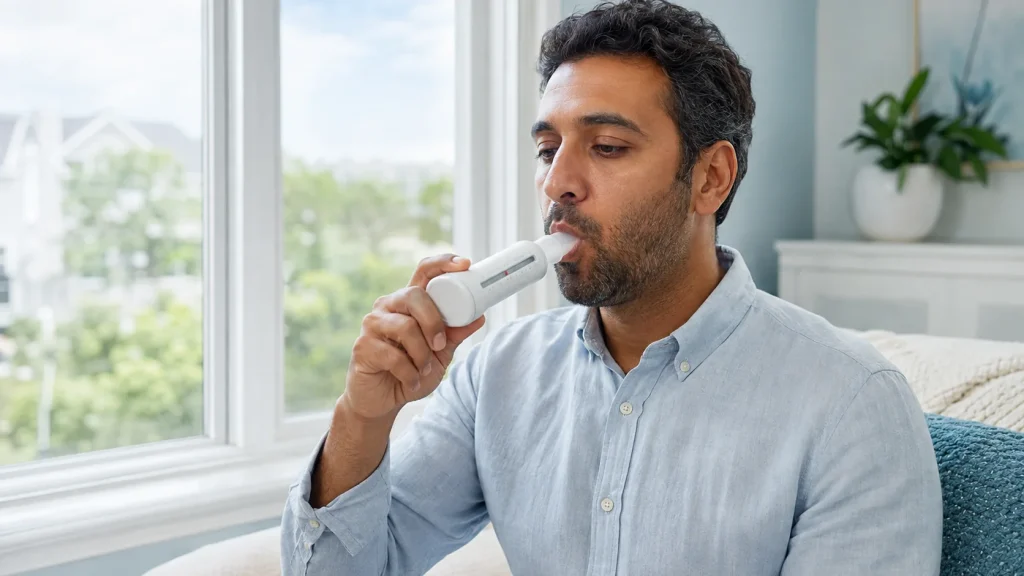
Asthma is usually confirmed with spirometry, a breathing test that measures how much air you can blow out and how fast, before and after an inhaled bronchodilator medicine. If spirometry is normal but asthma is still suspected, a methacholine challenge test or an exercise challenge test may be used to see whether the airways narrow. A clinician may also look at peak flow readings kept over time, arrange allergy testing by skin prick or blood IgE, and in some centres use a FeNO breath test that measures airway inflammation.
Clinical research for Asthma is enrolling. See the current studies
Asthma care in Canada aims to settle inflammation in the airways, keep symptoms from limiting your day, and lower the chance of a flare-up. Depending on how often you have symptoms and what sets them off, a health care team may discuss:
Inhaler technique, timing and choice all matter, and what suits one person will not suit another. These are decisions for you and your own clinician, and this page is not a recommendation about any of them.
A large share of people living with asthma in Canada still have symptoms despite treatment. Asthma Canada reported that only 45 percent of respondents to its 2024 national survey believed their asthma was well controlled. Researchers still do not fully understand why some people respond to standard inhalers while others do not, or how to pick out the different biological subtypes of asthma early. Studies running in Canada include new and existing biologic therapies for severe or eosinophilic asthma, single-inhaler anti-inflammatory reliever strategies, digital and connected inhaler tools that track how medicines are actually used, and research on air quality and wildfire smoke exposure.
Clinical studies are how those questions get answered. Taking part is voluntary, you give informed consent before anything begins, and you can stop at any time without affecting the care you get from your own doctor. Joining a study does not mean giving up your current treatment, and no one can say in advance whether a study will help you personally.
This page is written in plain language for people considering clinical research. It is general health information, not medical advice, and it does not replace a conversation with your own doctor or nurse practitioner.
Yes. Although asthma is often diagnosed in childhood, it can also begin in adulthood, including after age 50. Adult-onset asthma is sometimes linked to workplace exposures, respiratory infections or allergies that develop later, and it is diagnosed with the same breathing tests used in younger people.
Both conditions narrow the airways and cause breathlessness, but asthma tends to vary from day to day and often improves a good deal after an inhaled bronchodilator. COPD is usually linked to long-term exposure such as smoking and involves airflow limitation that does not fully reverse. Some people have features of both, and spirometry helps a clinician tell them apart.
Trials look at questions current care has not answered, such as how to help people whose symptoms continue despite inhaled treatment. Taking part usually involves extra breathing tests and monitoring visits, and it is voluntary at every stage. A research team explains the study in detail during informed consent, and you can withdraw at any time.
RecruitingAsthma · Respiratory
Windsor, Ontario
 Recruiting
 Recruiting
Chronic obstructive pulmonary disease (COPD) · Respiratory
Windsor, Ontario
 Recruiting
Chronic obstructive pulmonary disease (COPD) · Respiratory
Windsor, Ontario
 Recruiting
Chronic obstructive pulmonary disease (COPD) · Respiratory
Windsor, Ontario
 Recruiting
Chronic obstructive pulmonary disease (COPD) · Respiratory
Windsor, Ontario