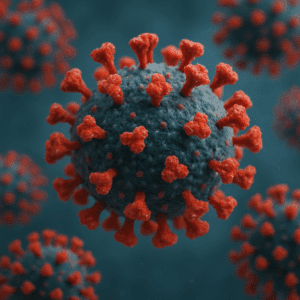
COVID-19 is an illness caused by the SARS-CoV-2 virus. Most infections now feel like a heavy cold and settle within a week or two, but a smaller number of people become seriously unwell, most often older adults and people living with other health conditions. It has not gone away, and it is no longer counted the way it was in 2020.
COVID-19 is no longer a public health emergency. It is also not gone. Statistics Canada recorded 5,056 deaths from COVID-19 in 2024, ninth among leading causes of death in Canada, down from sixth the year before. Most people who catch it now recover at home, and those who end up in hospital are mainly people who were already at higher risk.
It is not tracked the way it once was either. Canada stopped counting individual cases in 2024. The Public Health Agency of Canada now publishes a weekly respiratory virus report covering COVID-19 alongside influenza and RSV, drawing on sentinel laboratories, hospital and death reporting from provinces and territories, and a volunteer symptom survey. A test you do at home is not part of any count, so the figures show trends rather than a full tally.
Symptoms vary between people and between infections. The same virus can cause a two-day sore throat in one person in a household and a week in bed for another.

Some risk factors cannot be changed:
Others can often be worked on, usually with support from a health care team:
COVID-19 is usually identified with a rapid antigen test at home, or a PCR test arranged through a health care provider or hospital. Testing is no longer used to count cases. Post COVID-19 condition, often called long COVID, is different: no blood test or scan confirms it. Canadian guidance in CMAJ describes it as a clinical diagnosis, made when symptoms persist, recur or appear three or more months after a probable or confirmed infection and other causes have been ruled out.
Most people manage COVID-19 at home with rest, fluids and treatment of symptoms. For people at higher risk of severe illness, more is available. Depending on your situation, a health care team may discuss:
What suits one person will not suit another. These are decisions for you and your own clinician, and this page is not a recommendation about any of them.
The largest unanswered question is post COVID-19 condition. Public Health Agency of Canada survey work found that 19% of adults who had a confirmed or suspected infection went on to have symptoms lasting three months or more, and that about one in five of them found those symptoms often or always limited daily activities. Past those numbers, much is unsettled: the case definition is still described as proposed, there is no confirmatory test, and no treatment has been established. Studies under way include updated and next-generation vaccines, among them intranasal and broadly protective candidates, new and repurposed antivirals, and treatment and rehabilitation trials in post COVID-19 condition.
Clinical studies are how any of this gets settled. Taking part is voluntary, you give informed consent before anything begins, and you can stop at any time without affecting the care you get from your own doctor. No one can tell in advance whether a study will help you personally.
This page is written in plain language for people considering clinical research. It is general health information, not medical advice, and it does not replace a conversation with your own doctor or nurse practitioner.
Yes, but differently. Daily case counts ended in 2024. The Public Health Agency of Canada now publishes a weekly respiratory virus surveillance report covering COVID-19 alongside influenza and RSV, drawing on a sentinel network of 20 laboratories, hospital, intensive care and death reporting from provinces and territories, a network of paediatric hospitals, and the volunteer FluWatchers symptom survey. Statistics Canada separately reports deaths by cause, and recorded 5,056 COVID-19 deaths in 2024.
In its June 2026 statement covering the period from fall 2026, the National Advisory Committee on Immunization strongly recommended COVID-19 immunisation programmes for people at increased risk of exposure or severe disease, including adults 65 and older, residents of long-term care and congregate senior living, people with underlying medical conditions, people who are pregnant, people who are immunocompromised, First Nations, Inuit and Metis community members, health care and care facility workers, and racialized and equity-denied communities. It described two doses a year for some groups, including adults 80 and older, and said programmes may also offer immunisation to anyone 6 months of age and older. What is actually offered, and when, is set by each province and territory and changes over time.
Post COVID-19 condition means symptoms that persist, recur or appear three or more months after a COVID-19 infection and are not explained by something else. Canadian survey data suggest it affected roughly 3.5 million adults who had been infected as of mid-2023, and that about one in five of those people found their symptoms often or always limited their daily activities. Beyond that, much is unsettled. The case definition is still described as proposed, there is no confirmatory test, estimates of how common it is vary with the method used, and no treatment has been established. That is why it remains an active area of research in Canada and elsewhere.