Infectious diseases are illnesses caused by another organism: a virus, a bacterium, a fungus or a parasite. What links them is not the organ they affect but that they can be passed on, and that for many there is a vaccine or a specific treatment. This page is a way in to the individual infections.
By the numbers in Canada
7,658deaths in Canada in 2024 were attributed to influenza and pneumonia, the sixth leading cause of death and 20.0% more than in 2023. A further 5,056 deaths were attributed to COVID-19.
Three quarters of sexually active people in Canada are estimated to acquire a human papillomavirus infection at some point if they are not immunised, making HPV the most common sexually transmitted infection here. Source: Canadian Immunization Guide, human papillomavirus vaccines chapter, 2024
Worldwide8.8 million deaths worldwide were directly caused by COVID-19 in 2021, making it the second leading cause of death that year, and lower respiratory infections caused a further 2.5 million deaths.Source: World Health Organization, the top 10 causes of death, 2021
Conditions in this area
COVID-19: still circulating and still behind thousands of deaths a year in Canada, though it looks different now than in 2020.
Cold and influenza: two different illnesses caused by different viruses. Influenza alone is linked to about 15,000 hospital admissions a year here.
RSV and RSV vaccination: cold-like illness in most adults, but serious chest infections in babies and older adults.
Skin infections: bacteria, fungi and viruses each cause them, and telling them apart changes the treatment.
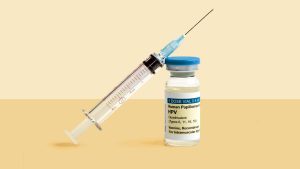
Routine and seasonal immunisation is a large part of infectious disease care in Canada, with schedules set by each province and territory. Illustrative photograph.
What these conditions have in common
Every infection here begins with an organism getting somewhere it should not be, and the body’s response is often what you actually feel: fever, aching, tiredness. That is why the same handful of tests keeps appearing, including swabs, blood cultures and stool tests, and why the same questions get asked about who else is affected. Several of these infections are notifiable, meaning cases are reported to public health.
The other thing they share is that most can be reduced, through immunisation, tick and food precautions, or indoor air quality. That sets this group apart, and it explains why so much research here happens in people who are well rather than unwell: vaccine studies are the main way progress is made.
Treatment and management in Canada
Treatment depends on the organism, and getting that right matters more here than in most areas. Care may involve:
Rest, fluids and treatment of symptoms, all most viral infections need
Antibiotics for bacterial infections, chosen to limit antibiotic resistance
Antiviral medicines for some infections, including influenza and COVID-19, usually started early
Antifungal and antiparasitic medicines where those organisms are involved
Immunisation, including the childhood schedule, seasonal respiratory vaccines and vaccines offered by age or risk group
Hospital care, including oxygen and intravenous treatment, in severe infection
What applies to you depends on the infection, your age and your other conditions. Those are decisions for you and your own clinician or pharmacist, and nothing here is a recommendation.
When to talk to a doctor
Trouble breathing, chest pain, confusion, a rash like small bruises that does not fade when pressed, or a fever with a stiff neck needs emergency care. Call 911 or go to an emergency department.
A fever in a baby under three months old needs same-day assessment.
Spreading redness around a wound or bite, with fever, needs same-day assessment.
Dehydration, including passing very little urine, dizziness on standing or unusual drowsiness, needs same-day assessment.
Symptoms that improve then clearly worsen again should be reassessed.
If you have a weakened immune system, contact your care team early rather than waiting.
Why research in this area matters
Some infections here have no vaccine at all. Cytomegalovirus is the most common infection passed to a baby before birth, and there is nothing yet to immunise against it. Lyme disease has no human vaccine in Canada. Others have vaccines whose protection fades, or that need updating as the organism changes, which is why influenza and COVID-19 vaccines are revisited yearly. Antibiotic resistance is pushing research towards new antibacterial agents.
Much of this research needs volunteers who are well, not only people who are unwell. Participation is voluntary, you give informed consent first, and you can withdraw at any time without affecting the care you get from your own doctor. No one can tell in advance whether a study will benefit you personally, and a vaccine study cannot promise protection.
This page is written in plain language for people considering clinical research. It is general health information, not medical advice, and it does not replace a conversation with your own doctor or nurse practitioner.
Common questions
Why do some infections have vaccines and others do not?
It depends on the organism. Some viruses and bacteria produce a strong, lasting immune response that a vaccine can imitate. Others change quickly, hide inside cells, or produce a response that fades, which makes a vaccine harder to design. Cytomegalovirus and Lyme disease are two examples where research is still working on it.
Are antibiotics useful for colds and flu?
No. Colds, influenza and COVID-19 are caused by viruses, and antibiotics act on bacteria. Using antibiotics when they are not needed contributes to antibiotic resistance, which is one reason resistant infections are a research priority in Canada. Some viral infections have specific antiviral medicines instead, and those are usually started early.
What happens in a vaccine study?
Most vaccine studies enrol people who are eligible for that vaccine, and some early studies enrol healthy volunteers. You would be told what is being tested, what visits involve and what is known about side effects, then decide. Informed consent comes first, taking part is voluntary, and you can withdraw at any time without affecting your regular care.
What to do next
Talk to your doctor. This guide is information, not medical advice.
JoinAStudy.ca provides information about clinical research and does not provide medical advice, diagnosis, or treatment. Only a qualified study doctor can determine your eligibility for a study. Participation is always voluntary.
We use cookies that are necessary for the site to work. With your permission we would also
use analytics to understand how the site is used, and marketing cookies to measure our advertising.
You can accept, reject, or choose. Necessary cookies cannot be switched off.