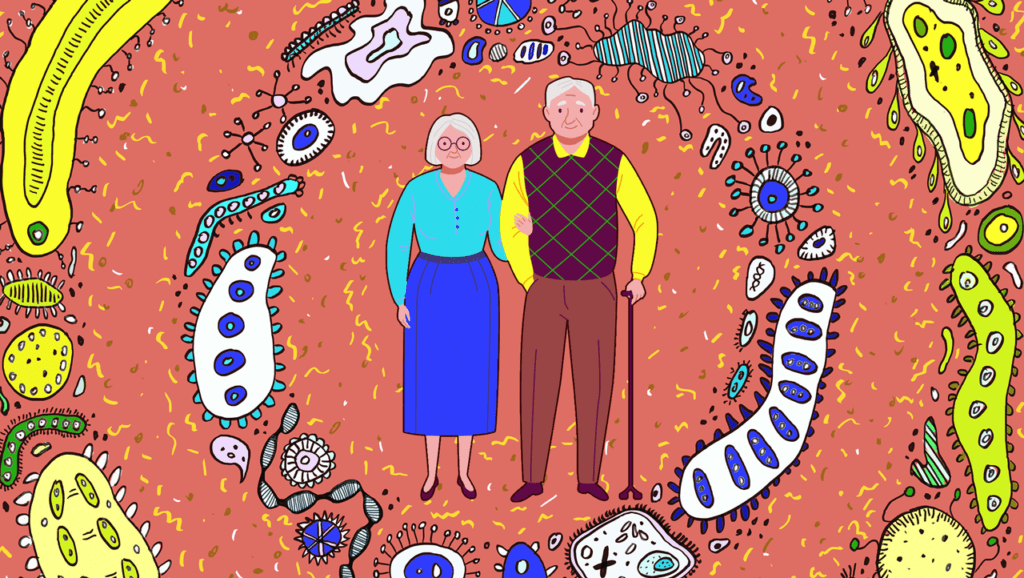
One of the most important insights from longevity science is that small, consistent actions can have a significant impact over time.
Welcome back to Part 5 of our ongoing series diving into the science of Longevity and Aging!
For much of modern healthcare, treatment begins after disease appears. But longevity research is helping drive a major shift in thinking:
What if the best way to live longer is to prevent disease before it starts?
This is the foundation of preventive medicine, an approach focused on identifying risk early, slowing biological decline, and maintaining function over time. Rather than targeting one illness at a time, preventive strategies aim to improve the underlying systems that influence many diseases at once.
In longevity science, the goal is not just to increase lifespan, but to extend healthspan — the years spent healthy, active, and independent.
Why Prevention Matters More Than Ever
Aging is the single biggest risk factor for most chronic diseases, including heart disease, stroke, type 2 diabetes, Alzheimer’s disease, and many types of cancer. These conditions often develop gradually over years or decades, driven by processes like inflammation, metabolic dysfunction, and cellular damage.
According to the World Health Organization, a large proportion of chronic diseases are preventable through early intervention and lifestyle changes. This has made prevention a central focus of both public health and longevity research.
Healthspan vs. Lifespan
Living longer does not necessarily mean living better. Many people spend the final years of life managing chronic illness, reduced mobility, or cognitive decline. Preventive medicine aims to compress this period of illness (sometimes referred to as “compressing morbidity”) so that people remain healthy for as long as possible.
The difference can be significant:
Organizations like the National Institute on Aging emphasize that improving healthspan is one of the most important goals in aging research today.
The Core Pillars of Preventive Longevity
While new technologies and medications are gaining attention, the strongest evidence for extending healthspan still comes from foundational lifestyle factors.
1. Cardiovascular Health
Heart disease remains the leading cause of death globally, but it is also one of the most preventable through lifestyle modifications and management.
Key strategies include, managing blood pressure, controlling cholesterol levels, maintaining healthy blood sugar and keeping up with regular physical activity
Clinical guidance from the Mayo Clinic highlights cardiovascular health as a cornerstone of long-term disease prevention.
2. Physical Activity
Exercise is one of the most powerful tools in preventive medicine. Regular activity has been shown to improve metabolic health, reduce inflammation, support brain function and lower the risk of multiple chronic diseases.
Both aerobic exercise and strength training are important forms of exercise, particularly as muscle mass naturally declines with age.
3. Sleep & Recovery
Sleep is often overlooked when looking at the full picture of longevity, but it plays a critical role in hormone regulation, immune function, brain health and cellular repair.
Chronic sleep deprivation has been linked to increased risk of obesity, cardiovascular disease, and cognitive decline.
4. Nutrition & Metabolic Health
Diet influences many of the biological pathways discussed earlier in this series, including insulin signaling, inflammation, and cellular repair.
Preventive nutrition strategies often focus on the consumption of whole, minimally processed foods, maintaining a balanced macronutrient intake, reducing excess sugar and refined carbohydrates and eating foods that support metabolic stability.
Rather than extreme diets, consistency and long-term sustainability tend to produce the best outcomes.
5. Stress & Mental Health
Chronic stress can accelerate aging through hormonal and inflammatory pathways. Long-term stress exposure has been associated with increased cardiovascular risk, weakened immune function and disruptions in sleep and metabolism.
Managing stress through mindfulness, social connection, or physical activity is increasingly recognized as part of a comprehensive preventive strategy.
The Role of Early Screening & Biomarkers
Preventive medicine is not only about lifestyle; it also involves early detection.
Modern healthcare is placing greater emphasis on identifying risk before symptoms appear, using tools such as:
Emerging research is also exploring more advanced biomarkers, including those related to biological age and metabolic function.
According to the Centers for Disease Control and Prevention, early detection significantly improves outcomes for many major diseases.
Personalized & Precision Medicine
One of the most important developments in preventive care is the move toward personalization.
Instead of applying the same recommendations to everyone, clinicians are increasingly tailoring prevention strategies on an individual basis. Resulting recommendations are then given based on genetic risk factors, family history, lifestyle patterns and biomarker data.
This approach, often referred to as precision medicine, aims to deliver more targeted and effective interventions. Research institutions such as the Harvard Medical School are actively exploring how personalized data can guide prevention and improve long-term health outcomes.
Where Preventive Medicine Meets Longevity Science
Preventive medicine and longevity research are becoming increasingly aligned. Both fields focus on addressing root causes of disease, maintaining function across multiple systems and intervening earlier in the aging process.
While experimental therapies and longevity drugs may play a role in the future, the strongest evidence today still supports preventive strategies as the foundation of healthy aging.
A Practical Takeaway
One of the most important insights from longevity science is that small, consistent actions can have a significant impact over time.
Improving healthspan does not require extreme measures. Instead, it often comes down to:
These interventions may seem simple, but their cumulative effect over decades can be substantial.
What Comes Next
While preventive medicine focuses on what can be done today, longevity science is also looking ahead.
In the final article of this series, we’ll explore the future of longevity — including advances in artificial intelligence, regenerative medicine, and emerging therapies that may reshape how we think about aging in the decades to come.
Sources
https://www.who.int/news-room/fact-sheets/detail/ageing-and-health
https://www.nia.nih.gov/health/preventing-disease
https://www.mayoclinic.org/healthy-lifestyle/healthy-aging/in-depth/aging/art-20046070
https://www.cdc.gov/chronicdisease/about/index.htm
https://hms.harvard.edu/news/precision-medicine-explained
https://www.ncbi.nlm.nih.gov/pmc/articles/PMC6178975/
Lifespan is the total years lived, while healthspan is the years lived in good health. Preventive medicine aims to compress the period of illness so that people remain healthy for as long as possible.
No. Improving healthspan often comes down to maintaining metabolic and cardiovascular health, staying physically active, prioritizing sleep and recovery, managing stress, and monitoring health markers regularly.
Modern healthcare places greater emphasis on identifying risk before symptoms appear, using tools such as blood tests, blood pressure monitoring, imaging, and cancer screening programs. According to the Centers for Disease Control and Prevention, early detection significantly improves outcomes for many major diseases.