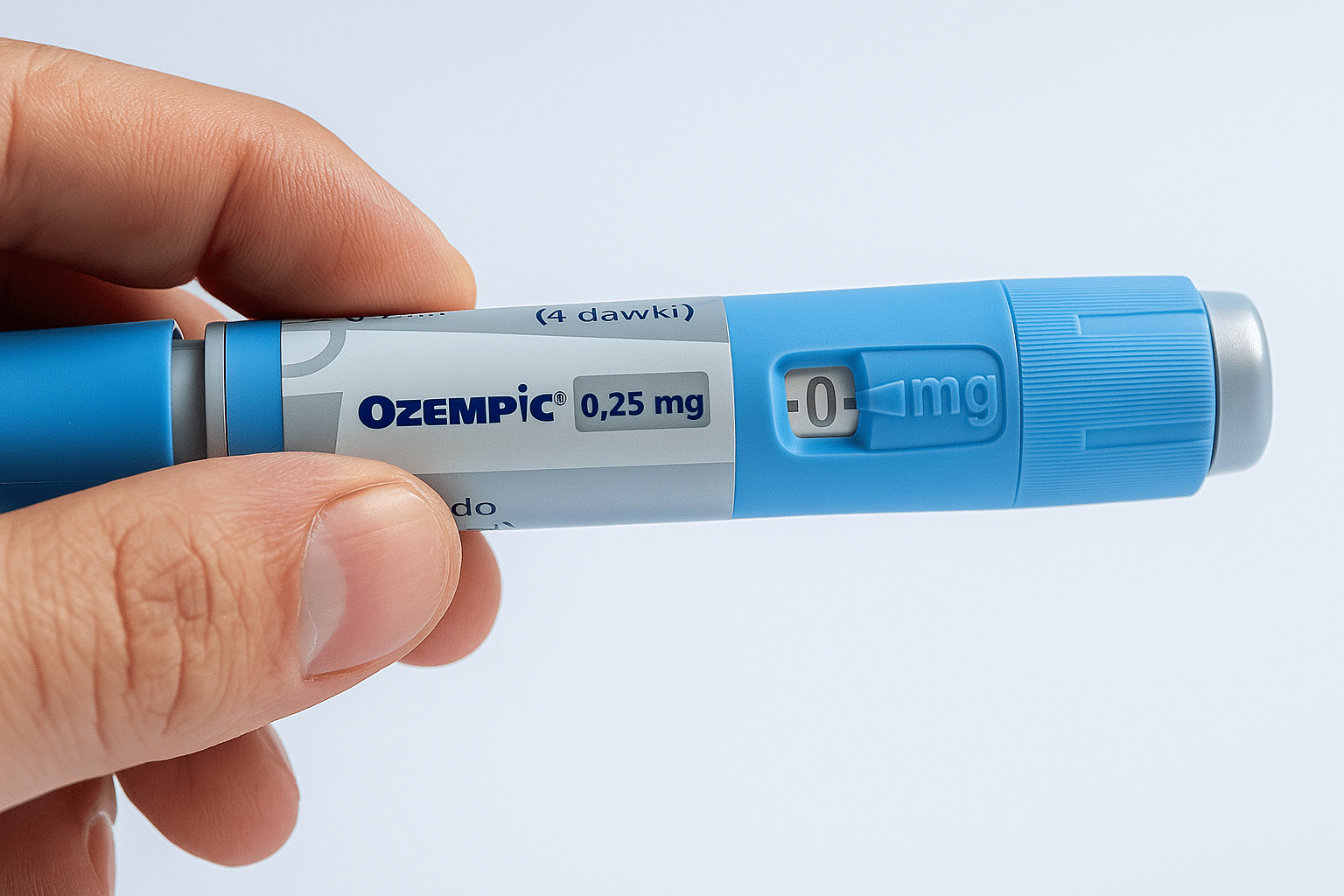
GLP-1 receptor agonists (GLP-1 RAs) are drugs that mimic or augment the effect of GLP-1.
Curious about the science behind today’s most talked-about diabetes/">diabetes and weight-management treatments Our new, four-part blog series on GLP-1 Agonists will break down everything you need to know — from how these drugs work, to their real-world results, side effects, and what’s coming next in the pipeline.
GLP-1 stands for glucagon-like peptide-1. It’s an incretin hormone produced in the gut that stimulates insulin secretion (when glucose is high), suppresses glucagon, slows gastric emptying and increases the feeling of fullness.
GLP-1 receptor agonists (GLP-1 RAs) are drugs that mimic or augment the effect of GLP-1. They are used mainly in patients with type 2 diabetes mellitus (T2DM) for improving glycemic control, and many are also approved (or used off-label) for weight management / obesity.
They generally have a low risk of causing hypoglycemia when used alone (because their insulin-stimulating effect depends on blood glucose). They can also help reduce appetite and lead to weight loss.
Currently Available and Approved GLP-1s
The table below shows a summary of GLP-1 receptor agonists approved by U.S. and Canadian federal health authorities as of mid-2025, the primary indication they are used for, and key differentiators between them:
| Drug (brand-name / generic) | Manufacturer(s) | Frequency / Route | Approved Indications* | Key Notes / Advantages & Limitations |
| Semaglutide — Ozempic® (injection) | Novo Nordisk | Once weekly subcutaneous injection | T2DM; also cardiovascular risk reduction in T2DM in certain patients with cardiovascular disease (CVD). | Very effective at lowering HbA1c; good for weight loss though full obesity dose = different brand (see Wegovy). Some GI side effects. |
| Semaglutide — Wegovy® (higher dose injection) | Novo Nordisk | Once weekly SC injection | For weight management / obesity (in adults and adolescents 12+ in many regions) with or without T2DM. | The obesity-approved dose is higher than the dose in diabetes treatment. Tend to get more weight loss. More cost and possibly more side effects. |
| Semaglutide — Rybelsus® (oral) | Novo Nordisk | Daily oral tablet | T2DM only (for glycemic control) | Oral option is helpful for those who dislike or cannot use injections. Bioavailability is lower; may need specific administration instructions (e.g., empty stomach, water only, waiting before food) to maximize absorption. Side effects typically similar GI types. |
| Liraglutide — Victoza® | Novo Nordisk | Daily injection | T2DM; also reduces cardiovascular events in some patients. | Has been around longer, good track record. Dose is daily rather than weekly, which some may find less convenient. |
| Liraglutide — Saxenda® | Same (higher dose) | Daily injection | For obesity / weight management (adults (and adolescents depending on region) meeting obesity or overweight + comorbidity criteria) | The obesity dose is higher; side effects generally similar (GI, etc.). Requires daily administration. |
| Dulaglutide — Trulicity® | Eli Lilly | Once weekly injection | T2DM; also has cardiovascular risk-reduction evidence in T2DM with risk factors. | Weekly dosing is convenient. Less heavy data for obesity (versus some others) though weight loss is a side effect. |
| Exenatide — Byetta® (twice daily) & Bydureon® / Bydureon BCise (extended-release weekly) | AstraZeneca | Twice daily for Byetta; once weekly for Bydureon ER/BCise | T2DM glycemic control | The twice daily version has more GI side effects and requires more frequent dosing; extended release is more convenient. Less potent in weight loss than some newer agents. Note: some formulations may not be marketed in all countries. |
| Lixisenatide — Adlyxin® (U.S.) / Adlyxine (other regions) | Sanofi | Daily injection | T2DM glycemic control | Short-acting; useful in certain situations like postprandial glucose spikes; fewer data for weight loss vs others. |
| Tirzepatide — Mounjaro® (for diabetes) / Zepbound® (for weight) | Eli Lilly | Once weekly injection | Dual GLP-1 / GIP receptor agonist. Approved for T2DM (Mounjaro) and obesity (Zepbound) in adults. | Among the most potent for weight loss. Dual-mechanism may offer advantages in efficacy. Side effects tend to be more pronounced especially GI; cost is higher; long-term safety still being accumulated. |
In Part 2, we evaluate how to choose between GLP-1 molecules, using a goal-based approach. It’s releasing exclusively on our blog November 6th, so make sure to add us to your bookmarks to stay up to date!:
https://staging.yourstudy.ca/canadian-health-blog/
Sources
https://my.clevelandclinic.org/health/treatments/13901-glp-1-agonists
https://pubmed.ncbi.nlm.nih.gov/26371721/
https://www.endocrinologyadvisor.com/ddi/glp-1-agonists/
https://hopkinsdiabetesinfo.org/medications-for-type-2-diabetes-glp-1-agonists/
https://www.ncbi.nlm.nih.gov/books/NBK551568/
https://www.ncbi.nlm.nih.gov/books/n/rc72848269830370/
https://www.drugs.com/medical-answers/glp-1-drug-best-weight-loss-3579236/
https://www.primetherapeutics.com/en/glp-1-pipeline-update-november-2024
https://www.powerpak.com/course/content/118150
https://www.powerpak.com/course/content/114864
https://www.primetherapeutics.com/glp-1-pipeline-update-february-2025
https://primetherapeutics.com/glp-1-pipeline-update-may-2025
https://primetherapeutics.com/glp-1-pipeline-november-2024
https://www.primetherapeutics.com/glp-1-pipeline-update-november-2024
https://www.beckershospitalreview.com/glp-1s/glp-1-drug-approvals-a-breakdown.html
https://acgng.org/most-popular-glp-1-medications/
https://sanemd.com/glp-1-medications/glp-1-medications-list-benefits-uses-side-effects/
GLP-1 stands for glucagon-like peptide-1, an incretin hormone produced in the gut. It stimulates insulin secretion when glucose is high, suppresses glucagon, slows gastric emptying, and increases the feeling of fullness.
When used alone, GLP-1 receptor agonists generally have a low risk of causing hypoglycemia. That is because their insulin-stimulating effect depends on blood glucose.
Yes. A daily oral tablet form of semaglutide is available for type 2 diabetes. Its bioavailability is lower than injections, and it may need specific administration steps to maximize absorption.