
Chances are you’ve heard conflicting information about dietary fats. Take butter, for instance. Butter was once in everyone’s bad books. It was so bad for us, in fact, that margarine was the recommended substitute for people trying to avoid saturated fats.
Margarine has since been called “deadly” for health, while butter appears to be making a comeback, at least according to some sources.
But this ongoing war between butter and margarine hints at a bigger question. Which fats are good and which fats are bad? How is the average person supposed to tell the difference?
If you want to eat healthy to lower your risk of cardiovascular disease, which fats should you avoid and which fats are okay in moderate quantities? Figuring out the answer takes a basic understanding of how your body uses different types of fats.
Healthy fats are used by the body to supply calories, construct cell membranes, insulate nerves, and store and use essential fat-soluble vitamins, such as vitamins A, D, E, and K. But not all fats help your body to accomplish these things.
The most important thing you can do to monitor your fat intake is to choose the right types of fats in your diet. So, let’s take a look at the various types of fat.
Saturated fats mostly come from animals. Products like butter, cheese, and meats all contain saturated fats, as do eggs and poultry. Some types of vegetable oils, including palm oil, also contain saturated fats.
Highly processed food also contains saturated fat, this includes:
Good or bad? When it comes to saturated fats, it’s the source that matters. Your body needs a small quantity of saturated fat—less than 10% of your total daily calorie intake should come from saturated fats.
Preferably, you should choose saturated fats from healthier sources, such as lean poultry and low-fat dairy products, as opposed to highly processed foods. If you’re consuming 2000 calories in a day, that means that a maximum of 20 grams should be coming from saturated fats.
Consuming too much saturated fat, or saturated fat from “bad” sources, can ultimately increase bad (LDL) cholesterol, a risk factor for both heart disease and stroke.
There are two types of unsaturated fats.
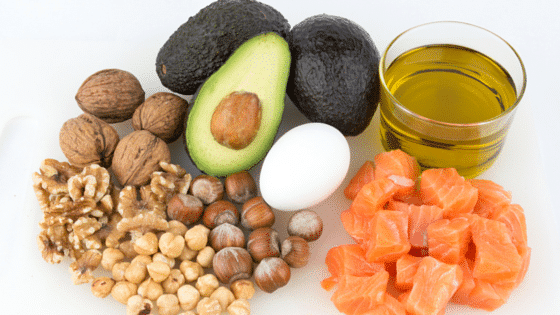
Monounsaturated fats can be found in plant-based oils, including olive oil, canola oil, peanut oil, and others. They’re also found in avocados, and certain nuts, such as sesame seeds, pumpkin seeds, hazelnuts, cashews, pecans, and pistachios.
Good or bad? Monounsaturated fats are part of a heart-healthy diet and they decrease bad LDL cholesterol.
Omega-3s, a type of polyunsaturated fat, can be found in coldwater fish, including rainbow trout, salmon, mackerel, sardines, and herring.
They can also be found in:
Omega-6s, another type of polyunsaturated fat, is found in:
Good or bad? Polyunsaturated fats lower bad cholesterol, which means they’re part of a heart healthy diet. Omega-3s in particular, have been shown to prevent blood clots, reduce the risk of stroke, and lower triglycerides, a type of fat carried in the blood that has been linked to heart disease.
Studies have shown that omega-6s, which help to lower bad LDL cholesterol, may also lower good HDL cholesterol when consumed in large quantities—consume omega-6s in moderation.
Trans fats are what most people think of when they think about fatty foods. Vegetable oil, steak, shortening, margarine, deep-fried foods, fast foods, packaged crackers, cookies, and commercially baked products all can contain trans fats.
Good or bad? Though some trans fats occur naturally, man-made trans fats can do serious damage to your cardiovascular system. Trans fats raise unhealthy LDL cholesterol and lower HDL or “good” cholesterol.
They can cause your blood vessels to narrow and raise your triglyceride levels, which can increase your blood pressure, and contribute to diabetes and heart problems. You should try to avoid them altogether. Most restaurants and food manufacturing companies now indicate trans fat content on ingredient labels. Others have stopped using trans fats altogether.

Clearly, when it comes to fats the situation is complicated—more complicated than nutritional scientists once believed. Though trans fats are definitively bad for us, saturated fats from “good” sources might be fine in small quantities.
The simplest thing you can do to make sure you’re eating the right kind of fat is replace saturated fat from animal sources with healthy fat from plant sources, thereby reducing your risk of cardiovascular disease. The type of fat is more important than the amount of fat you consume.
With that said, though, all fats are calorie-rich. Even the healthier fats should be consumed in moderation. But instead of worrying about eating too much fat, focus on eating a balanced diet of natural foods. such as fruits, vegetables, and whole grains, as well as protein from a wide variety of sources including:
Limiting processed, packaged, and fast foods will automatically help you to reduce the amount of saturated and trans fats you’re taking in.
The information in this article should not be taken as professional medical advice. If you are having issues or have health-related concerns, you should see your personal physician.