Being overweight as a child can impact the child’s quality of life, self-esteem, and participation in social activities. Overweight children may be the target of teasing or bullying and may develop symptoms of depression.
Childhood obesity is becoming an epidemic. According to the Canadian Government, obesity in children and youth has nearly tripled over the past 30 years.
Childhood obesity increases the risk of obesity in adulthood. And it is linked to the early development of all the health conditions known to be associated with obesity.
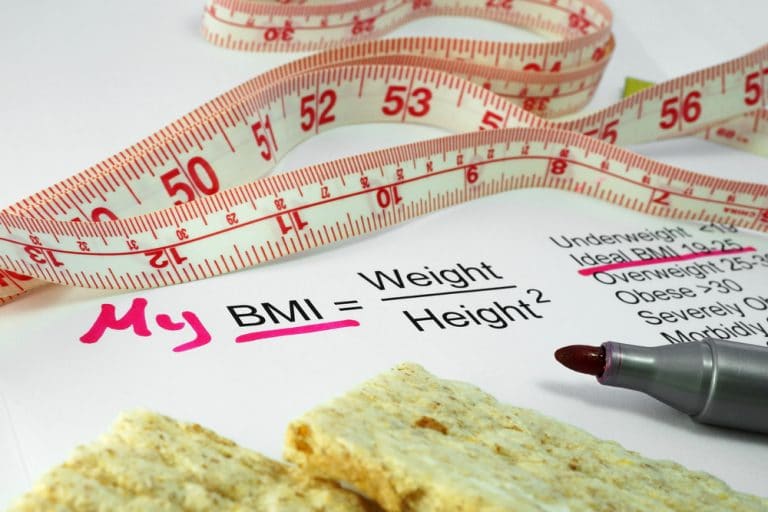
Body Mass Index, or BMI, is a measure of body fat. The BMI for children and teens aged 2 – 19 is calculated in the same way as adults. But, the categorization of the BMI into overweight or obese categories is different.
The reason is that children and teens are still in the process of growing. Which means the amount of body fat changes as they grow. Furthermore, body fat levels in boys and girls are different.
You can use this BMI Percentile Calculator for Child and Teen to determine your child or teen’s BMI. This value is then compared to a growth chart, taking age and gender into consideration.
The Centres for Disease Control (CDC) in the U.S. has published a BMI-for-age chart for both boys and girls. The BMI values are categorized into percentiles.
Comparisons:
You can ask your healthcare provider for help in calculating your child or teen’s BMI and determining where they fall in the weight spectrum.
Remember that the BMI calculation and growth chart are for reference purposes only. If you think your child is overweight or obese, or at risk for either, contact your physician with your concerns.
For infants and toddlers (under 2 years of age), you should speak to your doctor about healthy weight management.
The number of overweight and obese adults is rising, and perhaps not surprisingly, children and teens are following suit.
An estimated 17 percent of children in the U.S. between the ages of 6-19 years old are obese, as well as 10 percent of children between 2 and 5 years old.
Having an overweight child can be concerning for parents. Preventing childhood obesity is important for avoiding future health complications, but also for improving your child or teen’s current quality of life.
We should pay close attention to the health of our children, helping them to learn good habits that will stay with them as they become adults.

The days of going outside regularly to run and play is long gone. Instead, more and more children are taking part in sedentary activities, like video gaming and watching TV for long periods of time.
This is having a big impact on the amount of exercise children get overall. And it is believed that this lack of activity is directly linked to increased statistics for overweight and obese children and teens.
In addition to lack of exercise, other contributing factors for weight gain are poor diet and learned behaviours related to food.
With the increase in fast food consumption and the ability to supersize meals that are both tasty and convenient, it’s easy to find more children and their parents making poor food choices that contribute to obesity.
Children of overweight and obese parents are themselves at risk for becoming overweight or obese, since they may be genetically prone to weight issues.
Even if genetics is not at play, they may be acquiring poor eating and other lifestyle habits that could contribute to weight gain.
It’s important for families to make an effort to get more active. Children who grow up in families that live inactive lifestyles and make poor food choices are likely to mimic the adults’ behaviours.
Behaviour modification as well as paying close attention to the mood of your children plays an important role. Some children may be suffering from undetected mood disorders contributing to unwanted weight gain.

Being an active role model for your child and demonstrating good health habits can be fun and beneficial for the whole family.
Making better food choices and assessing your child’s daily calorie needs are a great first step. As a parent, it’s important to start assessing food nutritional labels when doing your family grocery shopping. And consider only eating take-out as an occasional treat.
Please see a healthcare professional before introducing vitamins or supplements to your child’s diet.
Here are some great tips for you and the family:
As a parent, we want to create healthy habits that will last a lifetime, encouraging our children to become healthy active adults. So keep your family fit and healthy by being the leader in creating good eating and activity habits for better health.
Childhood obesity can be prevented. It’s up to us to teach our children how to avoid becoming overweight.
Prevent childhood obesity by understanding how to keep yourself healthy. Learn the difference between overweight and obese and learn how to prevent it. Be the role model for your child.
The information in this article should not be taken as professional medical advice. If you are having issues or have health-related concerns, you should see your personal physician.