A small but groundbreaking new study hints that gene editing may one day offer a permanent fix for dangerously high cholesterol. Published in the New England Journal of Medicine, the pilot trial tested a CRISPR-Cas9–based treatment in 15 people with severe cholesterol problems. CRISPR works like tiny biological scissors, cutting and switching off specific genes.
The goal was to silence a gene called ANGPTL3, which helps regulate “bad” LDL cholesterol and triglycerides. Some people are born with this gene naturally turned off, and they have extremely low cholesterol levels and almost no risk of heart disease. Scientists hoped to recreate this protective effect.
The results were striking. Patients who received the highest dose of the treatment saw a nearly 50% drop in LDL cholesterol and a 55% drop in triglycerides. These early findings are especially exciting because no current medication lowers both LDL and triglycerides so effectively at the same time.
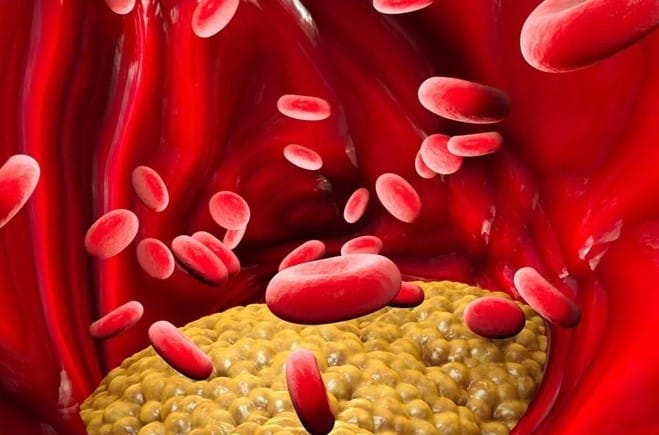
Heart disease is the leading cause of death worldwide, and many people struggle to manage their cholesterol despite having access to medications. Doctors say a one-time treatment could be life-changing, especially for young adults with genetic cholesterol disorders who now face a lifetime of pills or injections.
The treatment appears to target only the liver, which is responsible for producing and clearing cholesterol. That may reduce long-term safety risks. So far, side effects have been mild, though one patient with advanced heart disease died months later, something researchers say was unrelated to the treatment. The FDA will require long-term follow-up for 15 years.
These results are only the beginning. Larger Phase 2 and Phase 3 trials are expected soon. Experts caution that people should not stop their current medications, since proven long-term cholesterol control remains essential.
If you are interested in learning more about this study’s methodology and results, please click here.