 Recruiting
Chronic obstructive pulmonary disease (COPD) · Respiratory
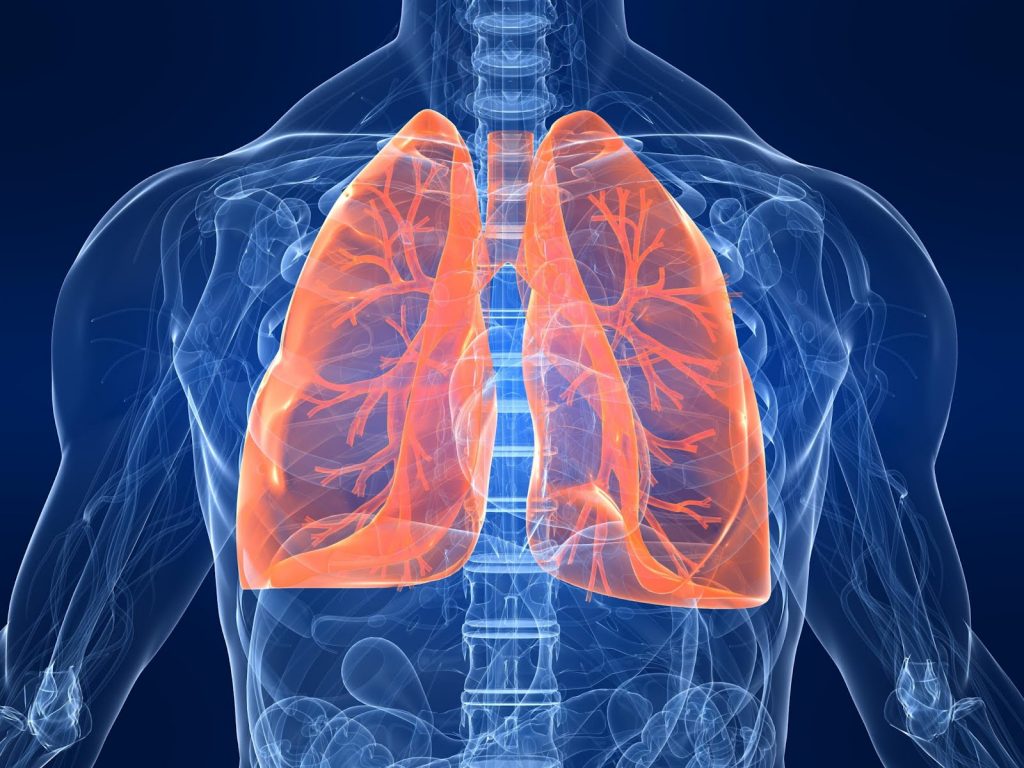
Study in People With Moderate to Severe Chronic Obstructive Pulmonary Disease
Windsor, Ontario

Eczema is a group of conditions that leave the skin dry, itchy and inflamed. The most common form is atopic dermatitis, in which the skin barrier does not hold moisture well and the immune system overreacts to ordinary triggers. It usually starts in childhood and often eases with age, but it can begin or carry on in adulthood, and it comes and goes in flares.
It is not a hygiene problem, and it is not contagious. The skin barrier itself behaves differently, which is why moisturising and bathing routines are part of care rather than an afterthought. It is also not usually caused by one food or one product: triggers vary from person to person, and for most people no single culprit is ever found.
The itch is not a minor detail either. It is often the hardest part, it disrupts sleep, and it can continue even when the visible skin looks better. Eczema also does not look the same on every skin tone: the Canadian Dermatology Association notes that on darker skin it often appears ashen, brown or grey rather than red, which can make it harder to recognise.
Severity ranges widely. The Eczema Society of Canada describes the majority of Canadian cases as mild to moderate, and the same person can have long settled stretches between flares.

Some things cannot be changed:
Others can often be worked on, usually with support from a health care team:
Eczema is diagnosed clinically. A family doctor, nurse practitioner, paediatrician or dermatologist looks at the pattern, location and appearance of the rash, and asks about itch, family history of allergic conditions, and what makes it worse. No blood test confirms atopic dermatitis, although testing is sometimes used when allergy or another diagnosis is being considered. The Canadian Dermatology Association notes that patch testing is used specifically when allergic contact dermatitis is suspected.
Clinical research for Eczema & Atopic Dermatitis is enrolling. See the current studies
Care in Canada usually combines daily skin care with something to settle inflammation during a flare, plus attention to itch and sleep. Depending on your situation and what matters to you, a health care team may discuss:
Cost can shape what is realistic. In the Eczema Society of Canada 2025 survey, 25% of respondents reported a financial burden from treatment costs and 13% had delayed a prescription treatment because of cost, rising to 26% among those with severe eczema. Coverage differs by province, territory and private plan. What suits one person will not suit another, and which of these applies to you is a decision for you and your own clinician. This page is not a recommendation about any of them.
Researchers are still working out why the skin barrier and immune system behave differently in some people, why itch persists even when visible skin improves, and how to predict who will respond to which treatment. Canada also has no current national prevalence data: the figures above come from a national organisation, from one province\’s primary care records, and from a survey of 389 self-selected respondents, 77% of whom identified as BIPOC, so none of them is a representative national measurement. That survey also found that 44% of respondents said health care providers rarely or never ask about quality of life, while 83% want to be asked. Studies now recruiting include newer biologics and targeted oral medicines, non-steroidal topicals, treatments aimed specifically at itch, prevention studies in infants at high risk, and work on recognising and assessing eczema across the full range of skin tones.
Clinical studies are how those questions get answered. Taking part is voluntary, you give informed consent before anything begins, and you can stop at any time without affecting the care you get from your own doctor. Joining a study does not mean giving up your current treatment, and no one can tell in advance whether a study will help you personally.
This page is written in plain language for people considering clinical research. It is general health information, not medical advice, and it does not replace a conversation with your own doctor or nurse practitioner.
The Eczema Society of Canada estimates that atopic dermatitis affects 15% of children and 4% of adults in Canada. An Ontario study covering 2005 to 2015 identified atopic dermatitis in 3.1% of a primary care sample of 249,984 patients. Neither figure comes from national health surveillance, so they should be read as an organisational estimate and a single-province measurement.
No. The Canadian Dermatology Association notes that on darker skin tones eczema often appears ashen, brown or grey rather than red, which can make it harder to recognise. The Eczema Society of Canada 2025 survey also found that BIPOC respondents reported financial burden from treatment at 39% compared with 21% among White respondents.
The Eczema Society of Canada 2025 survey found that 25% of respondents reported a financial burden from treatment costs and 13% had delayed a prescription treatment because of cost. Among those with severe eczema, 26% had delayed treatment for that reason. Coverage varies by province, territory and private plan.
RecruitingChronic obstructive pulmonary disease (COPD) · Respiratory
Windsor, Ontario
 Recruiting
Chronic obstructive pulmonary disease (COPD) · Respiratory
Windsor, Ontario
 Recruiting
Chronic obstructive pulmonary disease (COPD) · Respiratory
Windsor, Ontario
 Recruiting
Chronic obstructive pulmonary disease (COPD) · Respiratory
Windsor, Ontario
 Recruiting
Asthma · Respiratory
Windsor, Ontario
 Recruiting