 Recruiting
Osteoarthritis · Overweight and Obesity
Study for People With Excess Body Weight and Knee Osteoarthritis
Montreal, Quebec

Shingles is caused by the chickenpox virus, varicella zoster, which stays dormant in nerve cells for life after a childhood infection and can become active again decades later. When it reactivates it travels along a nerve and causes a painful, blistering rash, usually in a band on one side of the body or face. Post-herpetic neuralgia is nerve pain that carries on in the same area after the rash has healed, and it can be severe enough that clothing or bedsheets hurt.
Shingles is not a new infection caught from someone else. It is the reactivation of a virus you already carry, which is why nearly everyone born before routine varicella immunisation in Canada is a candidate for it. You cannot catch shingles from a person who has shingles, although someone who has never had chickenpox or been immunised against it can catch chickenpox from contact with the fluid in the blisters.
Post-herpetic neuralgia is also not simply a rash that is taking its time. It is nerve pain, defined in the Canadian Immunization Guide as pain lasting more than 90 days from when the rash appeared, and the skin can look completely normal while it continues. Pain that feels out of proportion to how the skin looks is characteristic rather than exaggerated, and it is one reason shingles pain is often underestimated by everyone except the person living with it.
Episodes differ widely. Some people have a mild rash and little pain, while others have severe pain that outlasts the rash by months, and the same person can have a different experience if it happens again.
Some things cannot be changed:
Others can often be worked on, usually with support from a health care team:
Shingles is usually diagnosed by a clinician looking at the rash and its pattern, since a band of blisters on one side of the body that does not cross the midline is distinctive. When the appearance is unclear, fluid from a blister can be swabbed and tested by polymerase chain reaction, or PCR, for varicella zoster virus. Post-herpetic neuralgia is a clinical diagnosis, made when pain persists in the same area beyond the point used to define it, and no scan or blood test confirms it. Anyone with a rash near the eye is assessed by an ophthalmologist.
Clinical research for Post-herpetic Neuralgia (Shingles) is enrolling. See the current studies
Care splits into two phases: the shingles episode itself, where timing matters, and the nerve pain that may follow it, which is managed much like other long-term nerve pain. Depending on how early you are seen, where the rash is and how the pain behaves, a health care team may discuss:
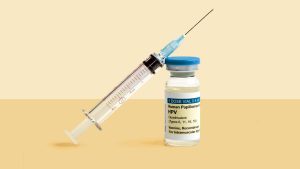
The Canadian Immunization Guide describes a two-dose series of the recombinant zoster vaccine for adults aged 50 and older, and for adults aged 18 and older with weakened immune systems, with doses given 2 to 6 months apart. Guidance on immunocompromised populations was updated in May 2025. Whether any of this fits your situation depends on your own history, and these are decisions for you and your own clinician rather than anything this page can settle.
Post-herpetic neuralgia remains difficult to treat. Existing nerve pain medicines help only some people, and they often cause drowsiness or dizziness that limits how much can be used in older adults. There is also no reliable way to tell, at the time of the rash, who will go on to have lasting pain. Canada has no national surveillance for shingles either, so the burden is estimated rather than counted. Studies now underway include non-opioid analgesics targeting sodium channels and other pain pathways, topical and injectable formulations, neuromodulation, work on the timing and duration of antiviral treatment, and immunisation in people with weakened immune systems.
Nerve pain is notoriously hard to measure, which is why studies rely on detailed symptom diaries and careful follow-up. Taking part is voluntary, the study is explained to you in full during informed consent, and you can withdraw at any time without affecting the care you get from your own doctor. Joining a study does not mean giving up your current pain treatment, and no one can say in advance whether a study will help you personally.
This page is written in plain language for people considering clinical research. It is general health information, not medical advice, and it does not replace a conversation with your own doctor or nurse practitioner.
You cannot catch shingles from someone with shingles. However, the fluid in the blisters contains varicella zoster virus, and someone who has never had chickenpox or been immunised against it can catch chickenpox from that contact. Keeping the rash covered until the blisters have crusted over is the usual advice, particularly around newborns, people who are pregnant and people with weakened immune systems.
The guide describes a two-dose series of the recombinant zoster vaccine for adults aged 50 and older, and for adults aged 18 and older with weakened immune systems, with doses given 2 to 6 months apart. Whether the vaccine is publicly funded depends on your province or territory, and eligibility rules differ. Guidance on immunocompromised populations was updated in May 2025.
Yes. Having had shingles once does not rule out a further episode, and repeat episodes are recognised, particularly in people with weakened immune systems. If you have had shingles before and develop a new painful, blistering rash on one side of the body, it is worth being assessed quickly, since antiviral treatment is used in the first days of the rash.
RecruitingOsteoarthritis · Overweight and Obesity
Montreal, Quebec
 Recruiting
Osteoarthritis · Overweight and Obesity
Toronto & Stouffville, Ontario
 Recruiting
 Recruiting
Osteoarthritis · Overweight and Obesity
Ontario · British Columbia
 Recruiting
Headaches & Migraines · Pain
Sarnia, Ontario
 Recruiting
Headaches & Migraines · Pain
Sarnia, Ontario