Psoriatic arthritis (PsA) is a health condition that combines symptoms of psoriasis, a skin disease, and arthritis, a condition affecting the joints.
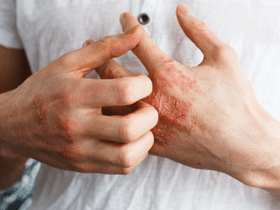
Psoriasis causes scaly, itchy red patches to appear on the skin, including the scalp. Arthritis causes inflammation, pain, and swelling in certain joints.
You must have psoriasis to develop PsA. However, not everyone with psoriasis develops PsA. Approximately 30 percent of people who have been diagnosed with psoriasis eventually develop PsA.
The condition can range from mild to severe, affecting one joint or many.
There are five types of psoriatic arthritis. These include:
Symmetric PsA is the most common type, affecting approximately 50 percent of people who have PsA. Another 35 percent of PsA sufferers have asymmetric PsA.

Psoriatic arthritis symptoms and signs vary according to the type of PsA and the individual. They can be mild, moderate, or severe.
It’s common for the disease to go into remission, leading to periods without symptoms. Other times, symptoms may reappear or worsen.
In general, symptoms may include:
Symptoms of spondylitis PsA, one of the rarer forms, can cause the following symptoms:
Symmetric PsA affects joints on both sides of the body, typically five or more. Asymmetric PsA affects fewer than five joints, but the joints affected might be on different sides of the body.
The hallmark symptom of arthritis mutilans is joint deformation that can shorten fingers and toes while distal PsA causes the end joints of the fingers and toes to swell and become painful.
A combination of genetic and environmental factors are thought to be responsible for developing PsA. Research has shown that PsA has a genetic component.
The presence of family members suffering from psoriatic arthritis increases your chance of developing it.
Approximately 40 percent of people with PsA have at least one relative who suffers from PsA.
Possessing a gene with a predisposition to develop PsA does not guarantee the disease will develop.
Environmental factors, such as viruses, injuries, and stress may trigger the gene and bring about the condition.

Some people are more likely to develop PsA than others. The following risk factors can increase your chances of developing PsA:
Psoriatic arthritis has no cure. Treatment methods depend on the type of PsA and the severity of symptoms.
The goal of treatment is to minimize the impact that symptoms have on your day-to-day life. Your doctor might propose a variety of treatments. Some of these might include:
Always speak to your doctor or family physician before switching, or trying, a new treatment.

In addition to medical treatments, you can take certain steps to manage psoriatic arthritis symptoms and prevent flare-ups. Try the following:
Changing the way you perform certain day-to-day tasks may alleviate certain symptoms. An occupational therapist can help you identify how to protect your joints at home and at work.
Excess weight can put undue strain on your joints. This can provoke flare-ups and negatively impact energy and mobility.
Opt for a diet that is rich in plant-based foods, including fruits, vegetables, legumes, and whole grains.
See our Weight Loss Programs, Exercise, and Healthy Living Tips article for more information.
Regular exercise can help you maintain flexibility and reduce pain. Choose activities that are easy on the joints, such as walking, swimming, or biking.
PsA can leave you feeling exhausted as your body battles pain and inflammation. Arthritis medication can also cause fatigue.
While you should try to remain active, you will also need to rest when you feel tired. Rest several times per day, if needed.
Some experts suggest dividing tiring activities such as work or exercise into short segments.
A PsA diagnosis can be discouraging. In some cases, PsA can cause disability. Surrounding yourself with supportive people may reduce negative psychological side effects associated with your diagnosis.
For some people who have been diagnosed with PsA, support groups may have a positive effect. A therapist or counselor may also be able to help you cope with the disease.
If you think you might have rheumatoid arthritis, this is the article for you.
The information in this article should not be taken as professional medical advice. If you are having issues or have health-related concerns, you should see your personal physician.