The study, unique for its focus on identical twins, aimed to eliminate genetic and lifestyle variations that often complicate diet research.
A recent study conducted by researchers from Stanford Medicine, published in JAMA Network Open, reveals that adopting a vegan diet can lead to significant improvements in cardiovascular health within just eight weeks. The study, unique for its focus on identical twins, aimed to eliminate genetic and lifestyle variations that often complicate diet research.
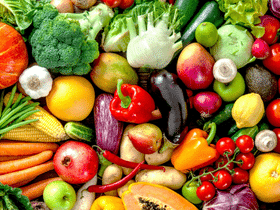
Involving 44 participants from 22 pairs of identical twins, the trial compared the effects of a vegan diet to an omnivore diet. Both diets emphasized healthy foods such as vegetables, legumes, fruits and whole grains while avoiding sugars and refined starches. The vegan diet excluded all animal products, while the omnivore diet included chicken, fish, eggs, cheese and dairy.
During the initial four weeks, participants received 21 meals per week, and for the subsequent four weeks they prepared their own meals. Registered dietitians provided guidance, and participants kept food logs and were interviewed about their dietary habits.
The study found that those on a vegan diet experienced the most significant improvements in the first month. Compared to the omnivore group, the vegan participants showed lower levels of low-density lipoprotein cholesterol (LDL-C), insulin and body weight—key factors associated with enhanced cardiovascular health.
Christopher Gardner, the senior author of the study, highlighted the feasibility of adopting a healthy diet in four weeks and emphasized that incorporating more plant-based foods into one’s diet, even without going fully vegan, could bring significant health benefits. Gardner noted that beyond cardiovascular improvements, a plant-based diet could positively impact gut bacteria and slow down aging processes.
Funding for the study came from the Vogt Foundation, the Stanford Clinical and Translational Science Award and the National Heart, Lung, and Blood Institute.
To read the full story, please click here.
Studying 22 pairs of identical twins allowed researchers to eliminate genetic and lifestyle variations that often complicate diet research. One diet was vegan and the other omnivore, with both emphasizing vegetables, legumes, fruits, and whole grains while avoiding sugars and refined starches.
Compared to the omnivore group, vegan participants showed lower levels of LDL cholesterol, insulin, and body weight, which are key factors associated with enhanced cardiovascular health. The most significant improvements occurred in the first month.
Not according to the study's senior author, Christopher Gardner. He emphasized that incorporating more plant-based foods into one's diet, even without going fully vegan, could bring significant health benefits.