The majority of people suffer from lower back pain at some point in their lives. The region of the back that starts below the ribcage and ends at the tailbone is called the lumbar region.
Pain in the lumbar region is often intense, ranging from a constant, dull ache or a sharp, shooting sensation when you move in a particular way. It may come on suddenly, for instance when you try to stand up while lifting something. Or, when you twist your torso too far while playing sports. Lower back pain can also come on gradually and get progressively worse. It may be caused by underlying conditions, such as arthritis, or damaging habits, such as working out without stretching properly, poor posture, or carrying too much weight in a purse, knapsack, or briefcase.

Though lower back pain is one of the top causes of missed work, in many cases it heals on its own. When pain in the lumber region doesn’t go away, it’s considered chronic. Luckily, treatments such as medication, spinal manipulation, acupuncture, massage therapy, and yoga can help to improve symptoms.
If you experience lower back pain that doesn’t heal within three days, you should speak to a health professional as soon as possible. Seek treatment if pain is accompanied by tingling or numbness in the legs, or dizziness.
For mild cases, the following products and home treatment tips can help to relieve the pain.
Between 24 to 48 hours after an injury, use an ice pack or frozen vegetables wrapped in a tea towel to reduce inflammation in your lower back. Though warmth may feel more comfortable and does help you to relax your muscles, it has the opposite effect on inflammatory processes—it can contribute to inflammation.
After 48 hours have passed, you can use a heating pad, hot water bottle, or hot pack on the injury. Whatever you choose to use, take the pack off after twenty minutes to give yourself a rest.
When lower back pain strikes, you might be tempted to rest it off. But doctors recommend you keep moving. You should avoid strenuous lifting or physical activity, but you can still go about your day-to-day activities, such as going to work, walking the dog, or making the beds. The spine is meant to move, and too much rest can mean it will take you longer to heal.

Once you feel better, you can go back to aerobic activities such as running, bicycling, swimming, and sports.
You can help to prevent future bouts of lower back pain by developing the muscles in your back and core, which support your lumbar region. The back extensor muscles, which surround your spine, allow you to maintain correct posture and alignment when you’re sitting, standing, or moving. In addition, you can try other exercises to build and tone muscles in your core, pelvis, and hips, which all offer additional support to the back. Speak to a personal trainer or physiotherapist to understand what to avoid—abdominal crunches, for instance, can put additional strain on your back.
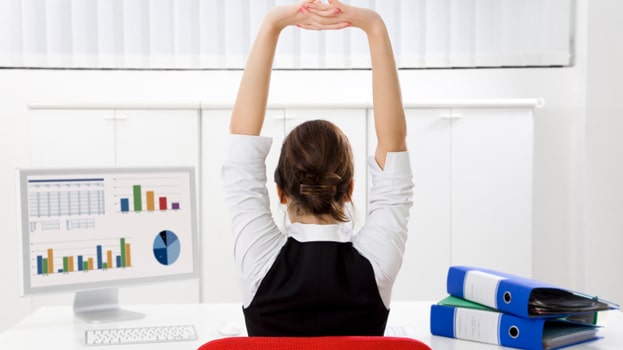
If you work at a desk, take steps to avoid sitting slouched in your chair all day, which can wreak havoc on your lower back. Set a timer for every twenty minutes to get up and stretch. Sitting at a desk can cause you to lean forward, so when you stretch, try to bend the opposite way. Don’t forget to stretch your neck, shoulders, and legs.

If you’re not sure which stretches can help, you can speak to a doctor or go online to find some stretches for desk workers. Many people find that a daily stretching sequence, such as yoga, can help to alleviate lower back pain.
First, assess your workspace and make changes if necessary. Keep in mind the following:
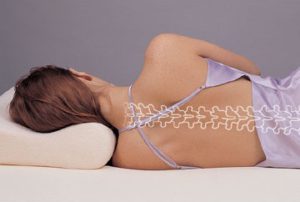
Is your bed or sleeping position contributing to lower back pain? If you wake up with stiffness, you might want to reassess your sleeping setup. Here’s what you can do to prevent lumbar pain:
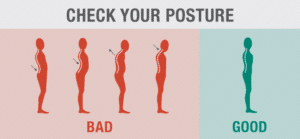
Try to improve your posture at work and at home. When you slump, your back cannot adequately support your body weight, and pain is often the result. In addition, if you don’t take care when lifting objects, you can easily injure yourself. When lifting, don’t bend over from the waist. Instead, bend your knees and lift from your legs instead of your back.
Heels are a common source of lower back pain among women that wear them. When heels are higher than one inch, they can have a destabilizing effect on your body, making it more difficult for you to maintain good posture. As a result, this can put pressure on the lower part of your spine. If you suspect heels are contributing to lower back pain, ditch them for shoes with heels under one inch.