
Inflammation is often made out to be the bad guy, but it’s actually a crucial part of your body’s immune system response—one you couldn’t live without.
We’ve all experienced inflammation at some point or another. It’s what causes the redness and swelling that appears around a mosquito bite, or the tender, soft skin that appears when you bruise yourself. These common forms of acute inflammation help your body to quickly and effectively deal with injuries and infections.
Pathogens, including bacteria, viruses, and parasites, are disease-causing agents that can enter your system via natural openings and lesions in the skin. Your immune system is tasked with protecting your body from these foreign invaders.
When you cut yourself, catch a cold, or break a bone, your immune system reacts quickly to eliminate harmful microbes so that you can heal. Symptoms such as heat, redness, pain, tenderness, and swelling appear at the site of the injury or infection. These are signs that your immune system is hard at work.
But this sequence relies on a delicate balance: the moment a foreign invader or injury is detected, chemical messengers attract white blood cells to the site. The white blood cells arrive, along with anti-inflammatory compounds. The anti-inflammatory compounds are like a clean-up crew. After the threat is neutralized, they start the healing process.
That’s acute inflammation. When these symptoms don’t go away, it’s a sign that your immune system’s ON-OFF switch is stuck on ON. Your cells remain ready to fight, though the danger has passed. What was a healthy response leads to chronic inflammation that can ultimately cause more harm than good.
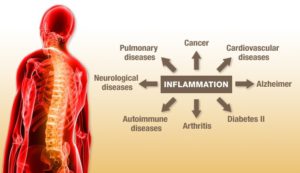
Also known as low-grade or systemic inflammation, it’s like your body is on high alert all the time, which uses up your body’s precious resources.
Recent research has shown that chronic inflammation can contribute to the development of diseases such as rheumatoid arthritis, asthma, allergies, ulcerative colitis, arteriosclerosis, Alzheimer’s, Parkinson’s, Crohn’s, and possibly even cancer, among others.
What does what you eat have to do with your immune system? You’ve probably heard that certain foods have “anti-inflammatory properties” or “anti-inflammatory effects.” These types of foods include anti-oxidants, and other foods that are high in compounds called polyphenols.
North American diets, which tend to be rich in fat and simple carbohydrates, often lack nutrients to target chronic inflammation. The Mediterranean diet, which touts numerous health benefits, contains a number of these foods.

It includes:
Remember, just as the foods listed above help to reduce inflammation, other foods, when ingested regularly, can trigger inflammation. Fried foods, processed meats, high-fat dairy products, refined carbohydrates, and pop all make the list.

Not surprisingly, your lifestyle choices also play a role in activating your immune system. Cigarettes contain a number of toxins which have been shown to contribute to long-term inflammation in the body. Alcohol has a similar effect. Finally, inactivity and obesity can make it more difficult for your immune system to function properly.
When inflammation-related pain strikes, most of us turn to over-the-counter anti-inflammatory drugs, such as ibuprofen (Advil ®, Motrin ®) and naproxen (Aleve ®). Though they may help to alleviate pain for a while, they can trigger side effects. Long-term use of the non-steroidal anti-inflammatory drugs (NSAIDs) listed above, for instance, can cause stomach ulcers.

For more severe pain caused by chronic inflammation, others are forced to turn to prescription drugs, such as oral corticosteroids. Corticosteroids mimic the role of cortisone, an inflammation-suppressing hormone that is found naturally in the body. But meds such as cortisone, prednisone, and hydrocortisone come with serious risks. Potential side effects include fluid retention, high blood pressure, mood swings, memory problems, weight gain, and glaucoma.
With increased awareness of these effects, more and more people are turning to natural anti-inflammatory substances, many of which have been used for centuries and have fewer side effects than NSAIDs or prescription corticosteroids. It’s important to note, though, that “natural” doesn’t mean that these substances won’t interact with medication you’re already taking or cause side effects of their own. You should always consult a health care professional, such as a pharmacist or family doctor, before taking natural or herbal remedies and supplements.
Keeping that in mind, the following natural remedies may help to relieve symptoms of chronic inflammation:
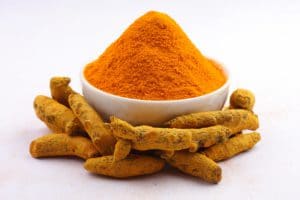
Other natural remedies may include: