Chronic obstructive pulmonary disease (COPD) interferes with your breathing, but that doesn’t mean you can’t live an active life. If you live with COPD, you can take action to alleviate symptoms, as well as improve your overall health and quality of life.
When it comes to managing COPD, these 11 tips can make a big difference.

People with COPD should aim to maintain a normal weight. People with advanced COPD tend to lose their appetites, plus it’s easy to feel breathless after you’ve eaten a big meal. Breathing with COPD takes more energy than with healthy lungs, requiring extra calories. Being underweight can increase the risk of death in people with COPD. But carrying extra weight on your body puts a strain on your lungs and can have a negative impact on your overall health.
Eating smaller, more frequent meals throughout the day can help you to avoid both feeling too full and not eating enough. Focusing on nutritious foods can help you to avoid weight gain.
Sleep can be a struggle for people with COPD, as it’s often more difficult to breathe lying down. Developing a relaxing bedtime routine can help.
In addition, make sure when you’re sleeping that your rescue medications, phone, light, and list of phone numbers are within reach.
Poor air quality in and around your home may trigger or exacerbate COPD symptoms.
Though you might not be able to change the air quality outside your home, you can take steps to improve indoor air quality. A high-efficiency particulate (HEPA) filter can remove up to 99% of indoor pollutants.
Also, consider making your house a smoke-free zone, using proper ventilation in your kitchen and bathroom, removing wall-to-wall carpeting, and replacing harsh household cleaners with natural cleaners such as vinegar, baking soda, lemon juice, or soap and water.

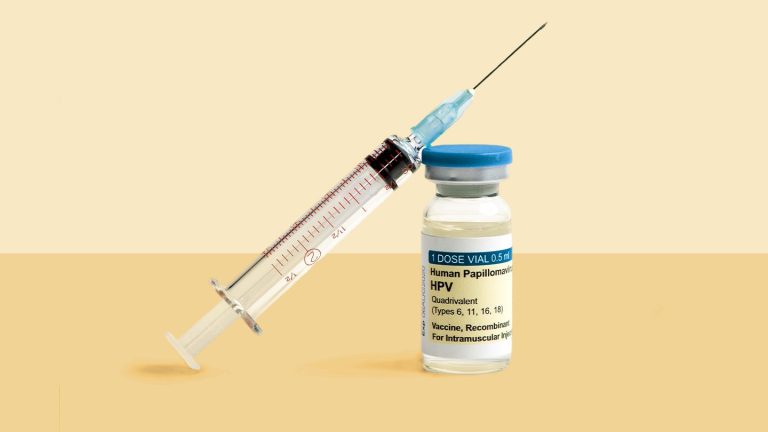
COPD flare-ups, also known as exacerbations, are often triggered by seasonal colds and the flu. You can protect yourself by getting a yearly flu vaccine.
In addition, talk to your doctor about other vaccines and boosters which protect against respiratory illnesses such as pneumonia and whooping cough.
But keep in mind that getting a shot won’t guarantee that you won’t get sick. You should try to avoid germs by washing your hands frequently, avoiding contact with people who are sick, disinfecting surfaces and objects before you touch them, and avoiding touching your eyes, nose, and mouth.

Check in with your doctor on a regular basis, and make sure that you are taking the medications that were prescribed. It may be helpful to keep a diary of your symptoms for review at your regular visits. Call your doctor in the event of a flare-up or if you’re experiencing new or unexplained symptoms.
Smoking is the single most significant risk factor for COPD. If you haven’t already, you should try to quit smoking. Your doctor can help you to access smoking cessation aids, such as patches, nicotine gum and prescription medications.
Secondhand smoke is another hazard that can worsen your symptoms. Your home should be smoke-free. Ask family members, roommates, or visitors to smoke outside.
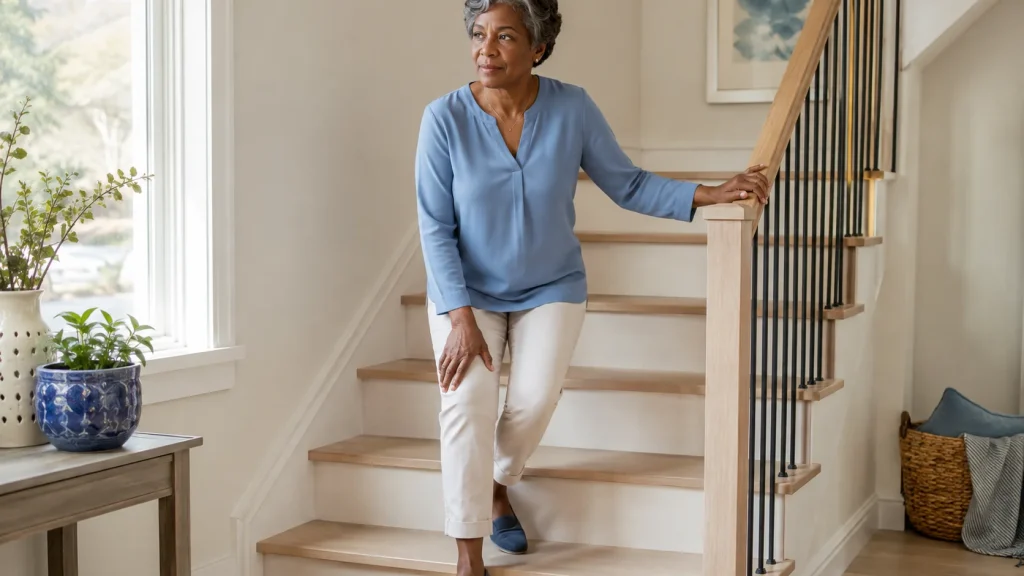
Staying active is incredibly important for people affected by COPD. Though exercise might be the last thing you feel like doing, it can help to alleviate your symptoms and improve your overall health and quality of life.
Light activities, such as walking, tai chi, or aquatic aerobics, tend to be good options for people with COPD.

Stress can definitely exacerbate symptoms of COPD. You can take steps to reduce sources of stress in your life, but you can’t eliminate stress altogether. Staying active and getting enough sleep can help you to minimize the effects of stress.
If you know that your symptoms are usually worse at a certain time of day, or with certain activities, plan your day accordingly.
If you find you often have to take a break during activities such as cooking or cleaning the house, place chairs around your home so that you can conserve energy.

Living with COPD can mean coping with emotions such as depression, anxiety, and stress, as well as spending more time at home which can lead to isolation. Talk to your doctor about how you feel.
You may want to join a support group for patients with COPD or speak to a professional counselor or therapist. Support from family and friends can go a long way. Be open with them about your feelings, and let them know what they can do to help.
Speak to your doctor about the medications you can keep on hand in case of a flare-up. In addition, ask your doctor to help you identify signs and symptoms indicating that you should call a doctor or head to a hospital emergency room.
Carry emergency contact information with you, including a list of your medications.
The information in this article should not be taken as professional medical advice. If you are having issues or have health-related concerns, you should see your personal physician.