For some migraine sufferers, flashes of light that move across their field of vision are clues that a migraine is on its way. For others, the first hints are unusual food cravings.
Around three out of five migraine sufferers experience warning signs before the onset of head pain typically associated with migraines. Once a headache strikes, it can send them to bed for hours.
According to Statistics Canada, eight percent of Canadians have been diagnosed with migraine headaches. But this figure likely underestimates the actual prevalence of this chronic condition.
Research suggests that many of those affected by migraines do not seek medical assistance.
Migraines cause symptoms such as throbbing and pulsing, usually on one side of the head. Additional symptoms can include extreme sensitivity to light and sound, as well as nausea and vomiting. Migraines tend to be more intense than traditional headaches.
But that doesn’t mean all migraines are the same. Your symptoms might be very different from someone else’s.
There are two main categories of migraines: migraines with aura, formerly known as “classical migraines” and migraines without aura, formerly known as “common migraines.”

“Aura” refers to a group of symptoms that often include vision disruptions such as seeing spots, flashes, or wavy lines. Temporary blind spots can also occur.
Non-visual symptoms of aura can affect your sense of taste, touch, or smell, as well as your motor system. For instance, you might experience numbness, or a tingling sensation or weakness in arms and legs. Migraine aura usually starts before you notice any head pain.
Ocular (retinal) migraines are rare and result in bouts of partial or full vision loss. Contrary to aura which occurs in both eyes, ocular migraine occurs in just one eye. Vision loss generally lasts for less than an hour and can happen before or during the period of head pain. Episodes of blindness in one eye can be symptomatic of a serious condition, so speak to your doctor if you experience this symptom.
There are several other sub-types of migraines. These include:
If you think you might be suffering from migraines, you should make an appointment to discuss your symptoms with a doctor. Getting a diagnosis usually involves several steps.
Your doctor will likely begin by asking you to talk about your headaches. It’s important to describe all your symptoms in as much detail as possible.
If possible, think about the following questions before seeing your doctor.
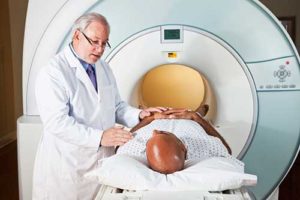
After listening to your headache history and symptoms, your physician may perform physical and neurological tests to rule out other causes of headaches and migraines, such as tumors, brain abscesses, and hemorrhaging. The majority of headaches are benign.
In rare cases, your doctor may recommend speaking to a psychologist to identify stress-related triggers that are contributing to your headaches. You may also be asked to complete an electronic questionnaire or discuss stress in further detail with your doctor.
After evaluating both the information you have provided and the results of physical and neurological exams and psychological evaluations, your doctor should be able to identify what type of headaches you have.
And be able to tell you whether or not they are caused by a serious problem, and if any additional tests are needed. He or she may conduct additional analyses to confirm the diagnosis and/or rule out other potential medical conditions.
Are you sure you suffer from migraines? Or is it possible you have serious headaches instead? Find out the difference between migraines vs headaches and start learning how to manage them.
The information in this article should not be taken as professional medical advice. If you are having issues or have health-related concerns, you should see your personal physician.